Local story
Starvation Heights: The Original Wellness Influencer
She had a book deal, devoted followers, and a cleanse that could kill you. She worked up the hill from my beach house.
Let me tell you about the worst neighbor Olalla, Washington ever had.
Her name was Linda Burfield Hazzard, and she was the original wellness influencer, a hundred years before the term existed. She had the book. She had the true believers. She had the miracle protocol. The only difference between her and a modern guru with a podcast is that her followers couldn't unsubscribe. They were too weak to get out of bed.
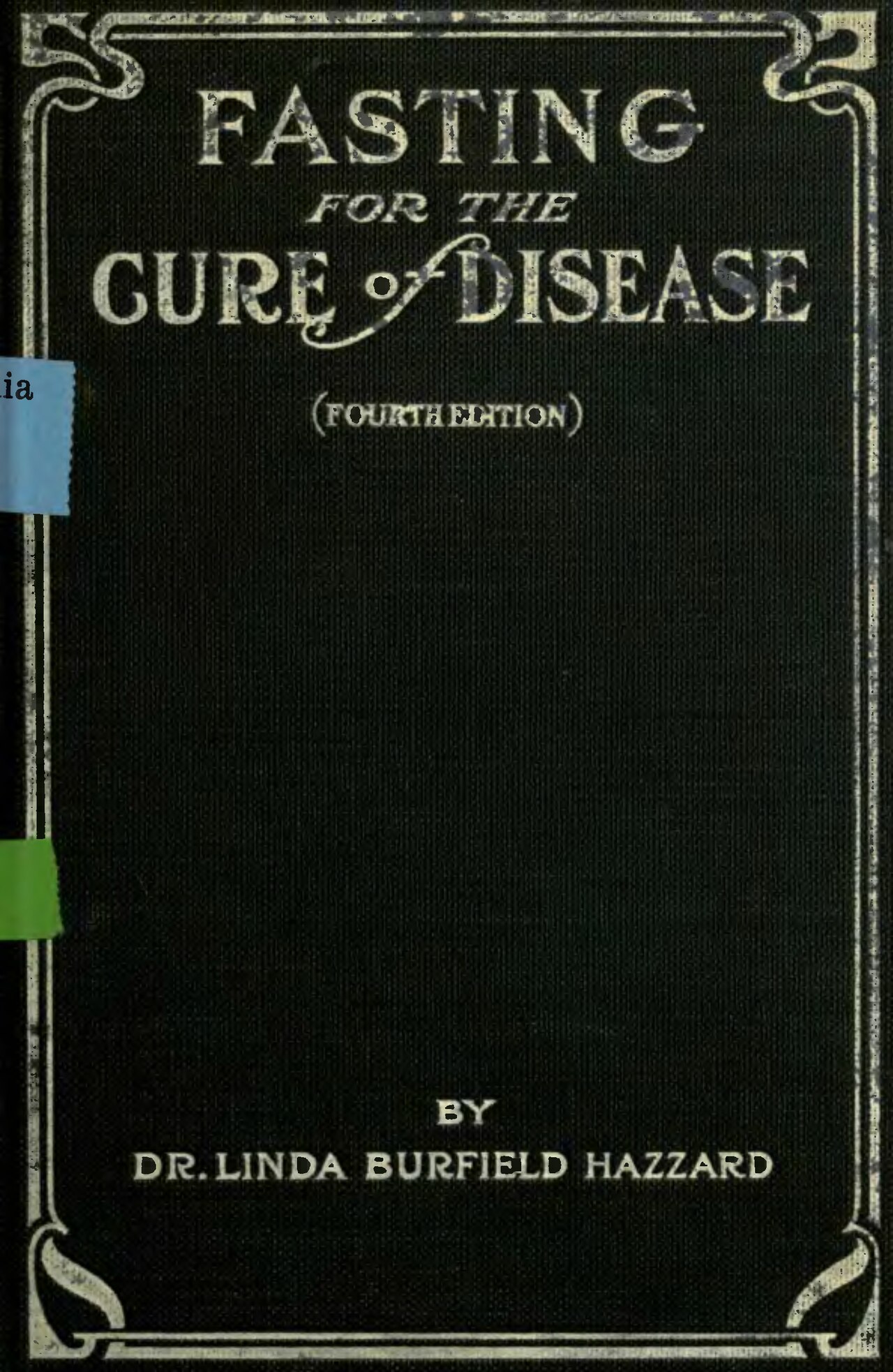
She wrote the book on it. Literally. Fasting for the Cure of Disease, published 1908. And here is the part that should make your blood run a little cold: you can still buy it today, in the kind of bookstores that sell crystals and herbal tea. The diet book of a convicted killer, right there on the shelf between the chakras and the chamomile. The cleanse continues.
The treatment
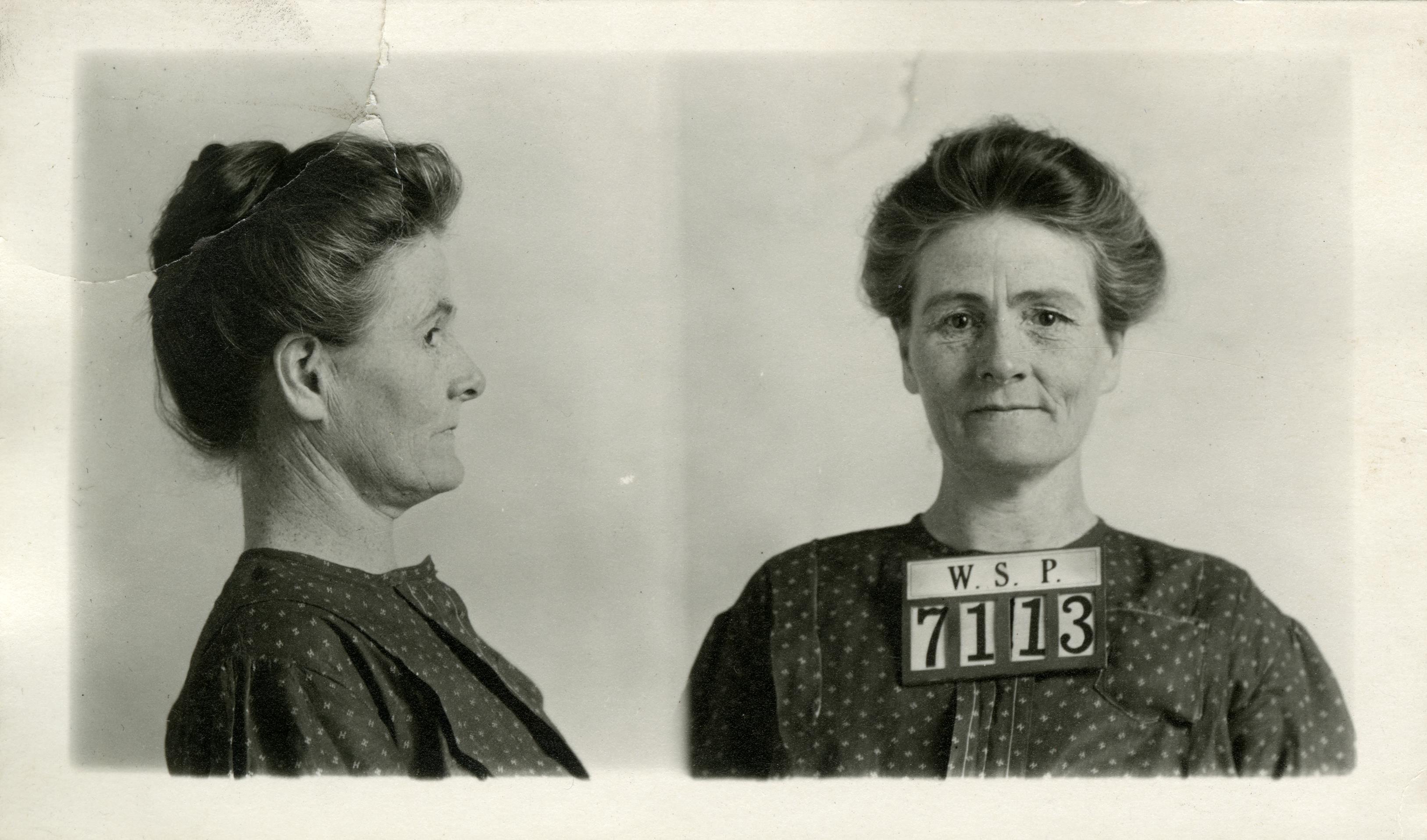
She had no medical degree. None. She got her license through a Washington loophole that grandfathered in "alternative practitioners," which in 1900s-speak meant anyone with confidence and a shingle. She studied under a famous fasting doctor named Edward Hooker Dewey, the way a torch gets passed in a relay where everybody is already on fire.
Her sanitarium was called Wilderness Heights. It sat in the woods of Olalla, the same little town where my beach house sits today. The locals had their own name for it, and it stuck so hard it became the history-book name: Starvation Heights.
Here is the treatment. You checked in sick and she starved you. Not metaphorically. Weeks. Months. Your diet was strained tomato broth and asparagus juice and the occasional orange, served with absolute certainty. One of her patients, a Seattle civil engineer named Earl Erdman, kept a diary. It reads like a ship's log from a voyage that never reaches shore:
February 1: No breakfast. Mashed soup dinner. Mashed soup supper.
February 14: One cup of strained tomato broth at 6 p.m.
February 16: Head quite dizzy. Eyes yellow streaked and red.
February 24: Heart hit up to ninety-five minute and sweat considerable.
He died March 28. A coworker was on the way to give him a blood transfusion. Didn't make it in time.
But here is the part the ghost-tour websites skip, because it is funnier and worse: Linda Hazzard was not some backwoods crone. She was a brand. When she finally stood trial, nearly twice as many witnesses showed up to say she had saved their lives as showed up to call her a killer. She had testimonials. She had devotees. Every wellness guru has them. The only difference is what happens when the protocol fails.
The sisters
In 1911 two wealthy British sisters, Claire and Dora Williamson, sailed across the world to Olalla because they had heard about the miracle cure. Dora told the jury later: "I was quite well before going to Washington, except for a slight attack of indigestion, and am as a rule very healthy." Claire had what Dora delicately called "a weakness peculiar to a woman." That was it. That was the whole medical complaint. Indigestion, and being a woman in 1911.
Within weeks they were shadows. Claire died weighing less than fifty pounds. And here is the scene Dora described on the stand, the one I cannot get out of my head: Claire, dying, trying to whisper something to her sister. "Dory," she breathed. And Linda Hazzard kept interrupting. Kept talking over her. "How did you spell that name again?" Dora never heard her sister's last words. Then Hazzard announced she would give Claire one of her famous massages, pressed down so hard the girl lost consciousness, and shortly after, Claire was dead.
If Stephen King wrote that scene, an editor would flag it as too cruel. It is in a court transcript.
Dora survived because a family friend arrived in time to drag her out. She weighed under sixty pounds and could barely stand. She testified anyway.
And then, the detail that belongs in a horror novel: their uncle John Herbert went to the funeral parlor in Seattle to see Claire's body, looked in the coffin, and said, "This doesn't look like my niece." Wrong hair color. Wrong face. Not nearly as emaciated as Hazzard had described. He stood there wondering if there had been "a fantastic mixup of some sort." Whose body was in the box? The history books move briskly past this. I do not.
The trial
The trial was theater. Hazzard actually said, on the record, "They won't hang me; the muscles in my neck are too strong." When the defense needed science, she pulled out her own book and read the jury this sentence: "Death in the fast never results from deprivation of food, but is the inevitable consequence of vitality sapped to the last degree by organic imperfection." Read that again. That is a woman telling a jury that starving to death is medically impossible, while sitting next to the evidence that she had done it at least fifteen times.
She was convicted of manslaughter in 1912. Two to twenty years. She served two.
She came back
And here is where the story takes the turn nobody's haunted-house listicle bothers with. In 1916, the governor of Washington pardoned her. Why? Because 121 people in New Zealand signed a petition demanding it. Let that sink in. She had fans on the other side of the planet. The pardon came with one condition: get out of America and don't come back.
She came back.
Five years later she sailed right back to Olalla, flush with cash, and built a bigger, fancier sanitarium. She couldn't legally call it a sanitarium anymore (they had taken her license), so she called it a "school of health." It had, and I am quoting the historical record here, an autopsy room, so she could determine her patients' causes of death herself. The fox built a bigger henhouse with its own coroner's office.
And Olalla? Olalla let her. She played the civic booster: road improvements, campaigns to bring electricity to town. The monster brought the streetlights. In 1922 she was the guest speaker at a raw-food dinner thrown by something called the Longer Life League. You cannot invent a better metaphor for the wellness industry. She kept starving people until the building burned to the ground in 1935. One of her later patients died after an eighty-four-day fast. Eighty-four days.
The ghosts
The ghost stories came later, the way they always do. The haunted-place websites will tell you the foundation and the old incinerator are still back in the woods, that visitors see things, that ghost hunters did a live investigation at the little cemetery. Maybe. I don't go looking. Here is what I know for sure: the scariest thing about Starvation Heights isn't a ghost. It's that she never thought she was the villain. True believers never do.
In 1938, sick and seventy years old, Linda Hazzard decided to prove her methods worked once and for all. She lay down in the same town where she had killed Claire Williamson and undertook one final fast. Weeks of broth. She died of starvation. In the end, a faithful patient of her own cure.
Her books are still in print.
Sleep tight, Olalla.
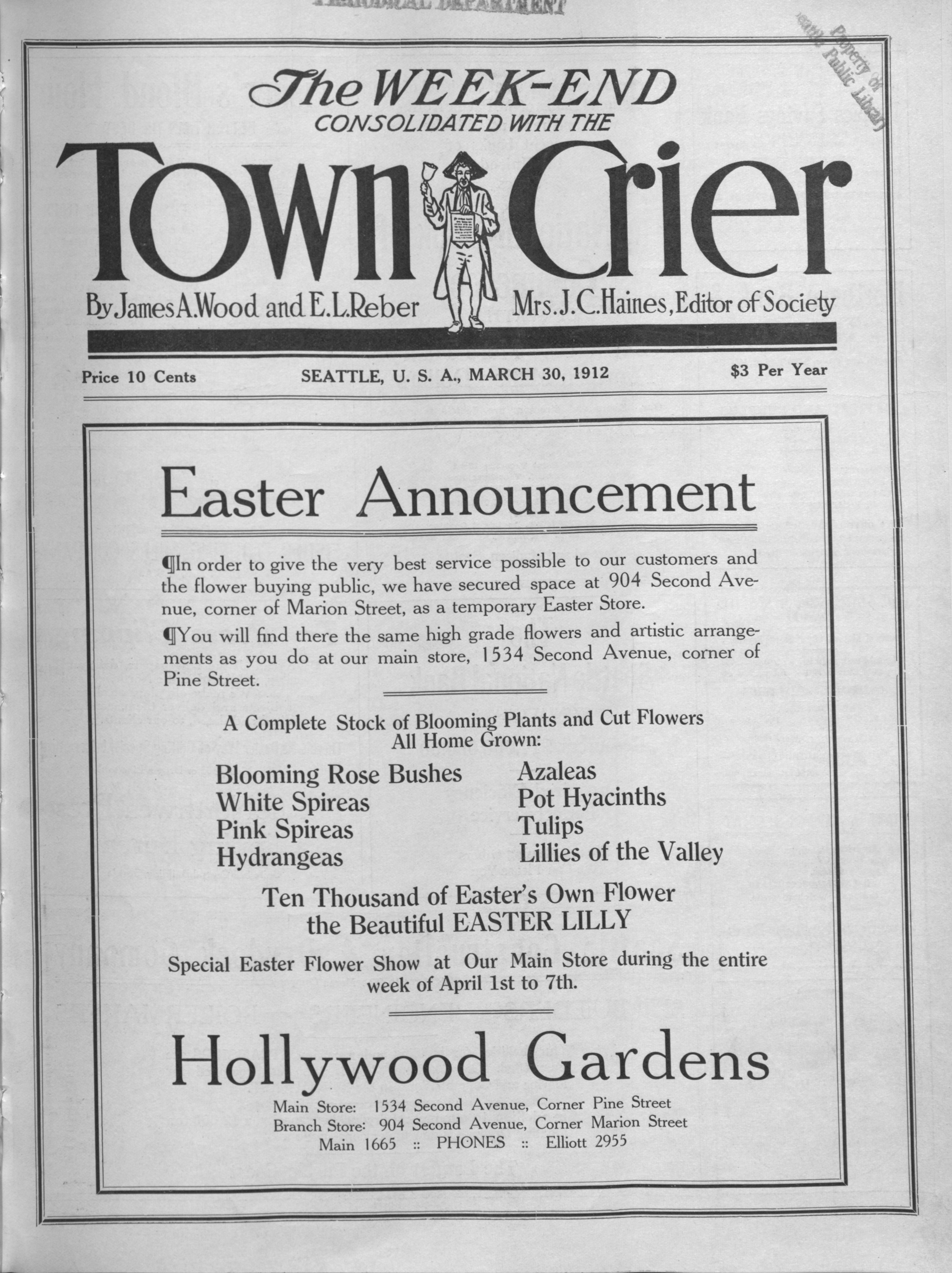
Sources: HistoryLink.org; Wikipedia ("Linda Hazzard"); Smithsonian Magazine, "The Doctor Who Starved Her Patients to Death" (2014); Gregg Olsen, Starvation Heights (1997); Washington State Archives; The Town Crier, Mar 30, 1912 (via DPLA). Images: Wikimedia Commons / DPLA, public domain.
Questions people ask
- What was Starvation Heights?
- A sanitarium called Wilderness Heights in Olalla, Washington, run by Linda Burfield Hazzard in the early 1900s. Patients fasted for weeks or months on tomato and asparagus broth. Locals renamed it Starvation Heights after patients began dying; estimates of the death toll range from at least fifteen to more than forty.
- Who was Linda Hazzard?
- A fasting "doctor" with no medical degree, licensed in Washington through a loophole for alternative practitioners. She was convicted of manslaughter in 1912 for starving a patient, Claire Williamson, served two years, was pardoned in 1916, returned to Olalla in 1920, and kept supervising fasts until her sanitarium burned in 1935. She died of self-starvation in 1938.
- Can you visit Starvation Heights today?
- No. The site is on private property and is not open to visitors. If you want the story, the tiny museum at Olalla Bay Market's landing covers it with artifacts and photographs, and it is worth twenty minutes of your time.
- Is Starvation Heights haunted?
- Ghost-hunting sites claim sightings around the old grounds and a nearby cemetery, but that is lore, not documented history. The documented history is frightening enough without ghosts.
- Why was she called the Starvation Doctor?
- Her treatment was extreme fasting for every ailment, and her patients kept dying of starvation while she collected their money and, in at least one proven case, forged a patient's will. The press picked up the nickname and it stuck.
Come see it yourself
The beach is out back. Olalla is ten minutes in every direction. All that is missing is you.
Book direct